Look, losing all your teeth isn’t easy. But here’s the good news: Complete dentures can get you back to smiling, eating, and living normally again.
At Dev’s Oral Care in Camp, Pune, we talk to people about the types of complete dentures all the time. So let’s break down your options in a way that actually makes sense.
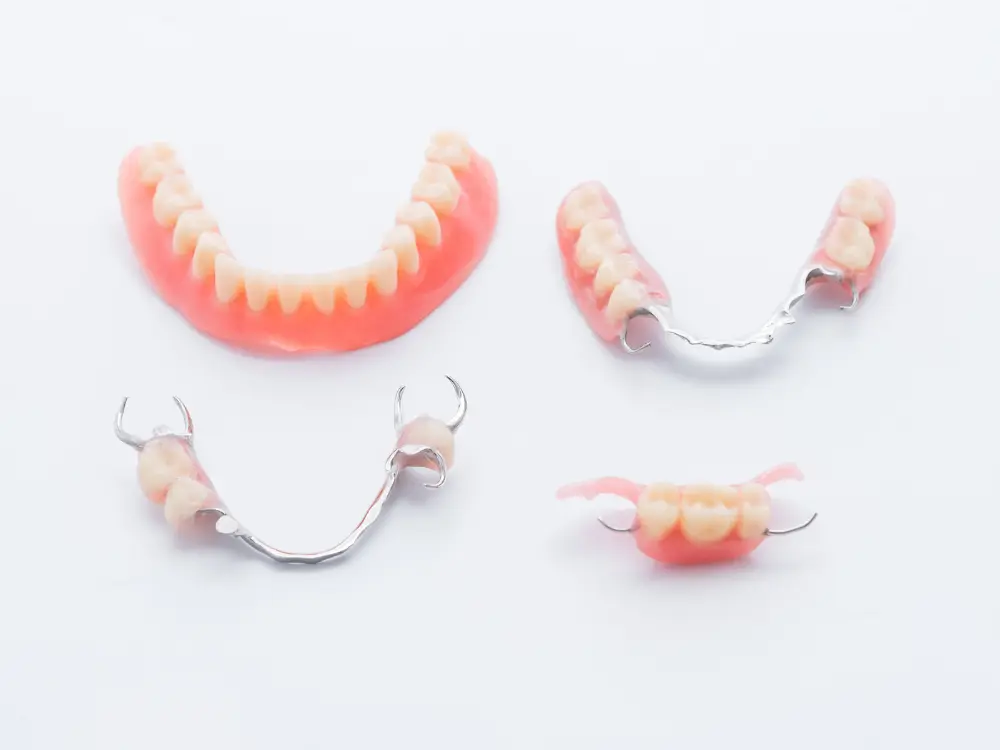
Think of complete dentures (or full dentures) as removable replacement teeth for your entire upper or lower jaw – or both. They’re different from partial dentures because those just fill in gaps when you still have some natural teeth left.
You might be looking at complete dentures if you’ve lost all your teeth to decay, gum disease, an accident, or if your remaining teeth are too damaged to save. These dentures help you eat properly again, speak clearly, and, honestly, feel better. They help you feel like yourself. Plus, they give your face the support it needs.
Here’s where it gets interesting. There are two main types of complete dentures, and the big difference is timing. You’ve got conventional complete dentures and immediate complete dentures.
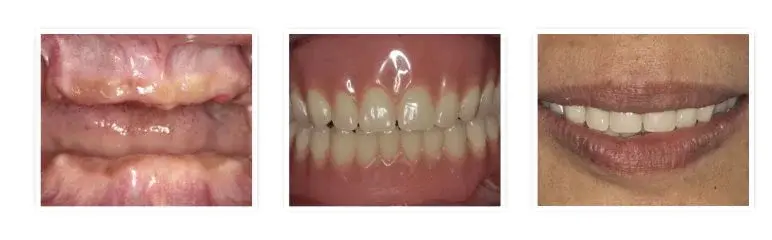
These are your traditional full dentures. They’re custom-made for your mouth, but here’s the catch – you have to wait about 8 to 12 weeks after getting your teeth pulled before they can be placed. Why? Because your gums need time to heal first.
Best For:
People who can handle being without teeth temporarily, anyone who wants the best fit and comfort long-term, folks looking for the most stable and budget-friendly option, and patients willing to be patient for better results.
These dentures are made before your natural teeth even come out. Then, on the day your teeth are extracted, boom – the dentures go right in. You literally never have to go without teeth.
Best For:
Professionals who can’t miss work, people with weddings or big events coming up, anyone who gets anxious about the idea of no teeth, folks willing to spend more for immediate teeth, and patients who can commit to lots of follow-up visits.
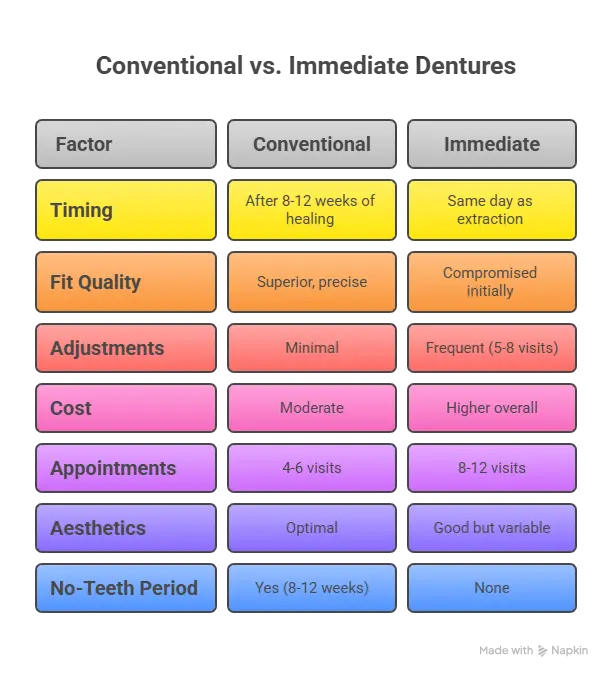
Choose Conventional Complete Dentures If You:
Choose Immediate Complete Dentures If You:
Your Lifestyle:
Can you take time off work during healing? Got any big events coming up?
Your Budget:
Conventional dentures are cheaper overall. Immediate dentures cost more upfront and need adjustments that add up.
Your Health:
Do you heal fast? Can you commit to multiple appointments?
Your Comfort Level:
How stressed are you about being temporarily toothless?
No matter which types of complete dentures you go with, the first few weeks take some getting used to:
With conventional dentures, most people feel completely comfortable within 4-6 weeks. With immediate dentures, you’ll typically feel great after the final adjustments or replacement at 6-12 months.
Take care of them properly, and complete dentures usually last 5-7 years.
At Dev’s Oral Care, we get it. Losing your teeth is tough. That’s why we offer personalised complete denture solutions:
Don’t let tooth loss keep you from living your life. Whether you pick conventional complete dentures for that superior fit or immediate complete dentures for convenience, we’ve got your back through the whole process.
During your consultation, we’ll check your oral health, walk you through both types of complete dentures in detail, answer any questions you have, and create a plan that actually works for you.
With good care, they typically last 5-7 years. Your mouth keeps changing over time, so eventually you’ll need new ones.
Modern complete dentures look incredibly natural. Conventional dentures usually look slightly more natural because they fit your healed gums perfectly.
Yeah, but it takes practice. Start soft and gradually work up to harder foods. Most people get the hang of it within 6-8 weeks. Conventional dentures usually make chewing easier right from the start.
Conventional complete dentures typically run ₹15,000 to ₹50,000 per arch. Immediate complete dentures cost about 20-30% more. We’ll give you exact numbers during your consultation.
Getting teeth pulled causes some discomfort, but medication handles it. Conventional dentures don’t hurt much since they go on healed tissue. Immediate dentures might cause more discomfort at first as you adjust and heal.