
Medically reviewed by Dr Kamal Kiswani
BDS, MSc Oral Implantology (Germany) | Dev’s Oral Care, Camp, Pune | Dental Council registration number: Maharashtra State A-6323
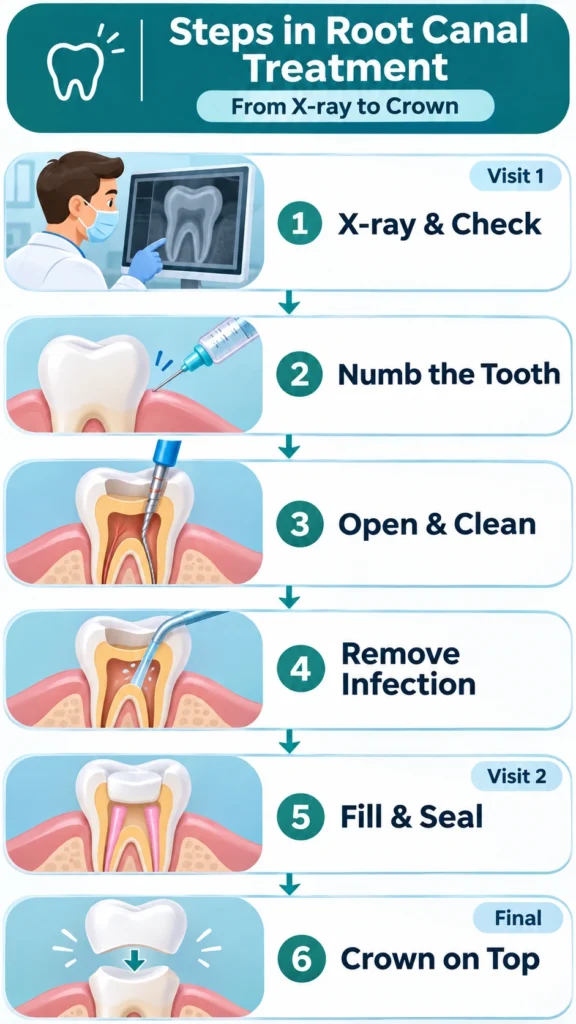
The steps in root canal treatment remove the infected pulp inside a tooth and seal it, usually over one to three sittings:
Back teeth usually need a crown afterwards. Root canal treatment succeeds in over 90% of cases.
“Teen sittings! Office se kitni chhutti leni padegi?” Most people have that thought stuck in Camp traffic on the way home, the X-ray envelope lying on the seat next to them. Fair enough. Nobody explains what each visit is for, so every one of them starts to feel like the big one.
The steps in root canal treatment are fewer and calmer than they sound. We numb the tooth, take out the inflamed or infected pulp (the soft nerve and blood vessel tissue inside), clean the thin canals that run down the roots, and seal them shut. Many teeth need one to three sittings of about 90 minutes each, and back teeth get a crown at the end. Below, we go through each step and what you can eat between sittings.
A root canal does not kill a healthy tooth. That tooth was already in trouble. By the time we recommend one, the pulp inside is inflamed or infected, and once bacteria get that deep, it rarely settles down on its own.
Your tooth is built like a tender coconut. Hard shell outside, soft living part inside, and when the inside spoils, polishing the shell does nothing for it. Pulp is that soft part. It runs from the centre of the tooth down through narrow channels in each root, which are the root canals.
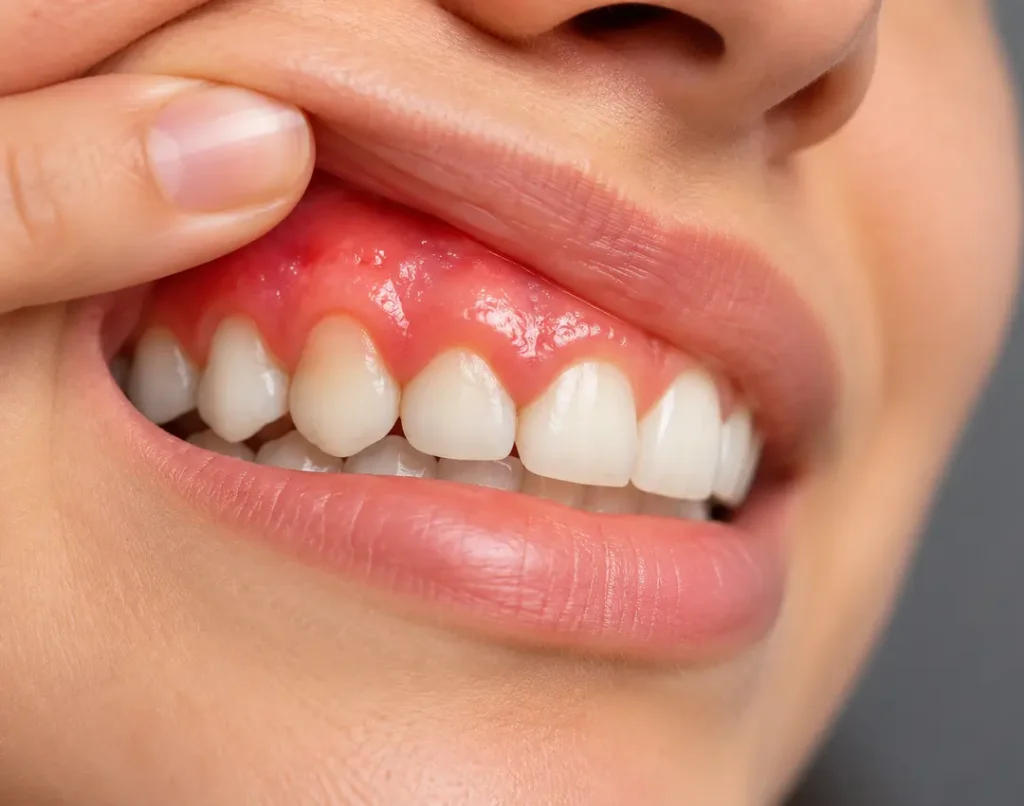
Bacteria can reach it through deep decay, a leaking old filling, a blow to the tooth, or sometimes a small crack you never noticed because it only hurt when you bit down on something hard. Warning signs vary. Pain that lingers long after hot tea is common, and a boil on the gum or a tooth slowly turning darker are others.
Removing the pulp does not mean losing the tooth. Your roots stay held in bone and gum, and the tooth keeps chewing for you. It just loses its nerve.
Before anyone picks up an instrument, we make sure it is the right tooth and that it is worth saving. Pain misleads. One bad molar can make the whole jaw or the side of the face ache.
At the first visit, we look at:
That last point matters more than people expect. When a tooth is split down into the root, or the bone around it is badly lost, we say so before starting. Treating a tooth that cannot be rebuilt only delays the extraction, and you end up paying twice.
Whether your tooth takes one visit or three, the root canal procedure step by step stays the same. Only the point where we pause changes.

Cleaning a canal is close to cleaning a thin steel water bottle with a narrow mouth. You scrub and look, then rinse once more, because what you cannot see is what counts. Patience beats speed here. For curved or very narrow canals, we work under magnification.
People on Indian patient forums often ask whether they are being taken for a ride when four visits are booked for one tooth. Usually, no. The work is split so each part can be done properly.
| Sitting | What happens |
|---|---|
| First | X-ray, numbing, rubber dam, opening the tooth, removing the pulp, first cleaning, medicine and a temporary filling |
| Second | Further cleaning and shaping, a check X-ray, then filling the canals with gutta-percha |
| Third | Core build-up, shaping the tooth for a crown and taking a scan or impression |
| Crown fitting | The final crown is checked for bite and cemented |
When the infection is mild, and the canals are simple, the first two rows can be done in one longer sitting. Otherwise, we space them out. One to two weeks between sittings gives the medicine time to work without leaving the temporary filling in place too long.
In 2022, a review pooling 47 studies and more than 5,800 patients compared one-visit and multiple-visit root canals. Healing came out about equal. Pain in the first week was the one difference, slightly more common after a single long visit.
That leaves the question of how many sittings for a root canal your own tooth needs, and four things usually decide it:
When a cousin says his RCT finished in one sitting, both of you may have been treated well. Fewer sittings do not mean a better clinic, and more do not mean a slower one. At our Pune clinic, we decide this tooth by tooth.
That temporary filling feels a little rough under your tongue, and by evening you will have checked it more times than you can count. It is meant to hold for days or a few weeks, not to take full chewing force. Go easy on it.
Wait until the numbness wears off fully before you eat, since that can take a few hours and a numb cheek is easy to bite. After that, chew on the other side. Your evening chai is fine once feeling returns. Keep Lonavala chikki, supari, toffees, sugarcane and anything sticky away from that side until the tooth is finally restored.
Should a piece chip off or the whole filling fall out, call us the same day or first thing next morning. An open tooth lets saliva back into canals that were just cleaned. Putting off the next sitting for a wedding or a long trip is also a risk, because temporary fillings do not always seal well over a long gap.
Some teeth need a crown made in the lab, and the second temporary that sits there for a few days while it is made needs the same care.
Some soreness for a few days after a sitting is normal, mostly when you bite, and most people feel better within a few days.
This is expected:
Call us now if you notice any of these:
Family members often spot facial swelling before the patient does. Elderly parents especially tend to say “theek hai” to everything, so if one cheek looks fuller in the morning, call. Our page on the signs of infection after a root canal covers these warning signs in more detail.
Once the pain stops, many people decide the treatment is over, but for a back tooth, one step is still left.
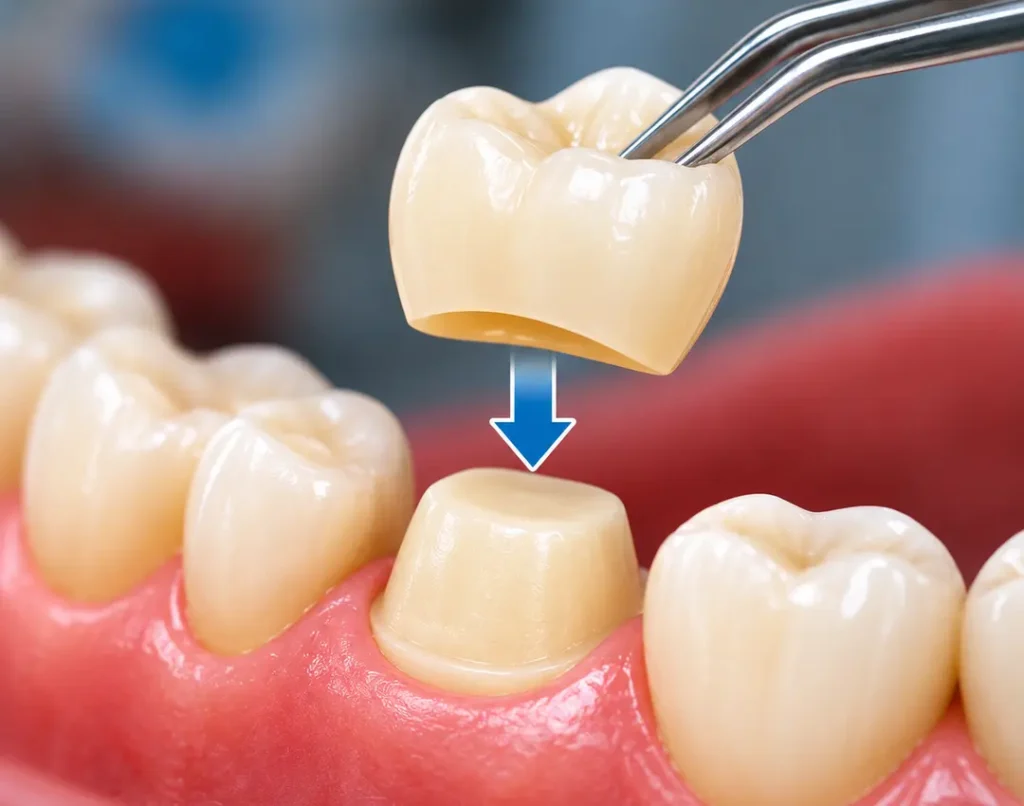
Molars and premolars take most of your chewing force, and after a root canal, they are hollowed out from the inside. After root canal treatment, a back tooth is a bit like a wooden chair with its cross bars taken out: fine on an ordinary day, then it gives way when someone heavy drops into it. In one study of 203 root canal-treated teeth, teeth left without a crown were lost about six times as often as crowned teeth. Crowns change that.
Front teeth are different. They bite less hard, and many of them do well with a filling alone, so a crown is not automatic for every tooth. For back teeth, we plan the crown within about two weeks of the final canal filling. Where too little tooth is left to hold a crown, a post goes into one canal first to anchor the core, and that is a separate step worth asking about when you plan the crown. Our article on a root canal tooth without a crown explains what can go wrong when the crown is delayed.
“I ask patients to book the crown before they leave the chair after the last canal sitting. The day the pain goes away is the day people forget, and a root canal tooth that cracks is often one we can no longer save.”
“Doctor, isn’t it easier to just remove it?” Sometimes it is, and we will tell you when.
Teeth with a crack running down the root, too little structure left for a crown, or severe bone loss around them may not be worth treating. In those cases, we discuss extraction followed by a replacement tooth, such as an implant or a bridge. Even a well-done root canal doesn’t always succeed, and a treated tooth can develop new decay or a leaking filling years later.
When that happens, retreatment is possible: the tooth is reopened, the old filling is removed, and the canals are cleaned and filled again. Retreatment has limits, though. We would rather explain them at the start than surprise you later.
Your tooth is numb during treatment, so you should feel pressure and some movement, but not pain; any soreness afterwards usually settles within a few days.
Often, when the infection is limited, the canals can be dried properly, and you can handle a longer appointment. Research shows both approaches heal about equally well. The first week can be a little more sore after a single visit.
Usually about 90 minutes. A molar or a retreatment can take longer. We will tell you in advance so you can plan your day.
Most people can. You are awake throughout, and only the area around the tooth is numb. That numbness can last a few hours, so carry something soft to eat and skip the hot coffee until feeling returns.
Not ideally. Temporary fillings are meant for a short time and may start to leak, letting bacteria back into the cleaned canals. With travel coming up, tell us early, and we will plan the sittings around it.
It can, with a crown and good daily care, but it is not immune. New decay can start at the edge of the crown, and when an old crown needs replacing, the tooth underneath should be checked too.
From outside, a root canal looks like a long story; up close, it is a set of small, ordinary visits. Every time, the steps in root canal treatment follow the same order: check the tooth, numb it, clean and disinfect the canals, fill them, and protect the tooth with a crown. How many sittings it takes depends on the infection and the tooth, not on how good or slow the clinic is. In between, the temporary filling needs a little care. Expect a few days of soreness. Swelling or worsening pain is a reason to call.
Told you need a root canal and want the plan explained, sitting by sitting? The team at Dev’s Oral Care in Camp, Pune can go through your X-ray with you and answer your questions before anything begins.
Disclaimer: This article is for general information and does not replace a dental examination. Treatment plans differ from person to person, so please consult your dentist about your own tooth.
Medically reviewed by Dr Kamal Kiswani
BDS, MSc Oral Implantology (Germany) | Dev’s Oral Care, Camp, Pune | Dental Council registration number: Maharashtra State A-6323